What Should Be on a Tattoo Appointment Intake Form?
Tattoo appointment intake forms should help you cut down on back-and-forth, reduce no-shows, and plan well for each session. When you know health issues, placement, style, and budget before they walk in, you can focus on the art instead of paperwork chaos.
This guide breaks down exactly what to include in your tattoo appointment intake forms, why each section matters, and how to streamline the whole process with online forms and booking tools.
Key Takeaways
- Every intake form must cover client identity, age, and contact details.
- Health and consent sections protect you from legal and safety issues.
- Design, placement, and budget questions prevent wasted time and redraws.
- Clear policies on deposits, cancellations, and no-shows reduce drama.
- Digital intake forms and booking tools keep your calendar and records clean.
Why Are Tattoo Appointment Intake Forms Important?
A strong tattoo appointment intake form is more than a signature sheet; it’s your first line of defense against miscommunication, health risks, and legal problems.
When clients fill out a complete form before the appointment, you can spot red flags early, like blood thinners, pregnancy, or unrealistic expectations. You also save time at the front desk, which matters when you are juggling walk-ins, touch-ups, and large pieces.
A clear intake form also sets expectations around pricing, session length, and aftercare, so clients are less likely to argue later. If you pair your intake with online tattoo booking software, you can collect all this info automatically when they book. That means fewer lost notes, fewer double-bookings, and a cleaner paper trail if anything goes wrong down the road.
Without a solid intake process, you rely on memory and quick hallway chats. That is when details get missed, and problems show up later. A tight form keeps everything in writing and in one place.
What To Include on a Tattoo Appointment Intake Form
Use the list below as a checklist to guide you.
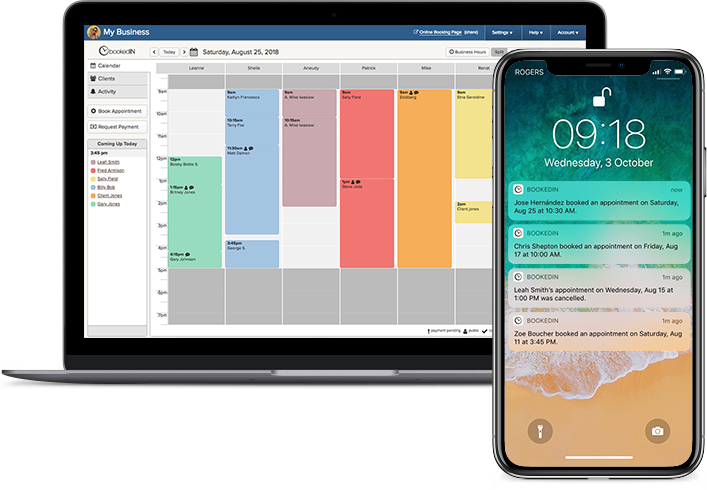
Note: If you use a system like Bookedin, all these data can flow straight into your calendar and client profile, so you don’t have to retype anything or chase down numbers later.
Sign up & get a 14-day free trial
Basic client information
Every tattoo appointment intake form should start with basic client details, but “basic” doesn’t mean sloppy. You’ll want their full legal name, preferred name, phone number, email, and physical address.
Don’t forget to add a blank for their date of birth, so you can verify age and match it to the ID at the shop. Make sure your form clearly states that all information must be accurate and that providing false info can void consent or future touch-up agreements.
Age verification and legal requirements
Age rules are non-negotiable. Your tattoo appointment intake form should document how you verify that a client is old enough under your state or local laws.
Include fields for date of birth, age at appointment, ID type, ID number, and ID expiration date. If you allow minors with parental consent, add a separate section for the parent or guardian’s full legal name, ID details, and relationship to the client, plus a signature line just for them.
Spell out your shop’s age policy in plain language on the form so there’s no confusion. Include a checkbox confirming that the client (and guardian, if needed) understands the age policy and that providing false information can lead to cancellation without a refund. Store these forms securely so you can prove compliance if regulators or lawyers ever ask.
Don’t rely on a quick glance at an ID. Your form should capture the details in writing so you can show exactly what you checked and when.
Health history and medical disclosures
The health section of your tattoo appointment intake form is where you protect both the client and your license. Ask direct yes/no questions about conditions that affect bleeding, healing, or infection risk: blood thinners, clotting disorders, diabetes, epilepsy, heart conditions, immune disorders, skin conditions, allergies, pregnancy, and breastfeeding.
Include space for medications, especially anticoagulants, steroids, and antibiotics. Ask about past reactions to tattoo ink, metals, latex, or antiseptics.
Use simple language, not medical jargon, so clients understand what they’re answering. Add a statement that they must disclose honestly and that hiding information can increase risk. Clients need to know you’re asking for safety, not to judge them, and that honest answers help you do better work.
If something concerning pops up, you can request a doctor’s note or reschedule. When this health info is stored digitally with the client profile, you can review it before every session and update it over time.
Design, placement, and style details
Your tattoo appointment intake form should collect enough design info that you can prep without a dozen DMs. Ask for a brief description of the idea, including subject, style, and vibe.
Add fields for placement, approximate size, and whether it’s a cover-up or working around existing tattoos. Include an upload option for reference photos if you use digital forms. Ask about color vs. black-and-gray, and whether they’re open to artist interpretation.
You can also include a question about long-term plans, like a full sleeve or back piece, so you can design with future work in mind. The goal isn’t to design the tattoo on the form, but to gather enough detail to price, schedule, and decide if the project fits your style before you commit.
When this section is done right, you walk into the consult or session already knowing what you’re dealing with, instead of guessing from a vague message.
Session goals, budget, and time expectations
Misaligned expectations cause most client complaints. Your tattoo appointment intake form should ask what the client expects from this specific appointment: outline only, outline plus shading, full color, or a multi-session start.
Include a field for budget range and ask if they prefer shorter sessions or are fine with long sessions. Add a question about deadlines, like trips, events, or dates they want the tattoo healed by.
This helps you decide whether the project is realistic in the client’s timeframe. You can also ask if they’re open to breaking the work into multiple sessions. When you see their goals, budget, and timing in one place, you can respond before the appointment if something doesn’t line up, instead of arguing at the front counter.
Consent, risks, and shop policies
The consent section is where you spell out the risks and rules in plain language. Your tattoo appointment intake form should include a clear statement that the client understands tattooing involves permanent marks, pain, possible infection, allergic reactions, scarring, and color changes over time.
Add a line that you’re not a medical provider and that they should seek medical help if complications appear. Include your shop policies on refunds, touch-ups, lateness, and behavior.
Make sure there’s a checkbox or initial line for each major point, not just one big block of text. Add a line granting you permission to tattoo them and confirming they’re not under the influence of drugs or alcohol.
This section should end with a signature and date line that covers both consent and acknowledgment of policies.
Photo, video, and portfolio permissions
Most artists rely on healed and fresh tattoo photos for portfolios and social media. Your tattoo appointment intake form should include a separate section for photo and video consent.
Make it clear that this is completely optional. Offer checkboxes like: permission to photograph the tattoo only, permission to include parts of their body or face, and permission to share on social media, website, or print materials.
You can also include a line about editing or cropping images. If you plan to record video or time-lapse content, say so directly.
Keep this section separate from medical and legal consent so clients don’t feel pressured. When they agree, you have written proof that you can use the images without future arguments.
This keeps your marketing clean and respectful, and it protects you if someone later complains about seeing their tattoo online.
Deposits, cancellations, and no-show terms
Money drama usually comes from unclear rules. Your tattoo appointment intake form should spell out your deposit, cancellation, reschedule, and no-show policies in detail.
State the deposit amount or percentage, whether it’s refundable, and under what conditions it can be transferred to a new date. Explain how much notice is required to reschedule without losing the deposit. Clarify what counts as a no-show and what happens if they’re late beyond a certain number of minutes.
If you use a system like Bookedin, you can tie these rules directly to your booking page and automated reminders, so clients see and agree to them when they book.
Add a line that by signing, they accept these terms and understand that breaking them can mean losing their deposit or future booking privileges. When policies are written on the intake form and agreed to in advance, you have less arguing and more time to tattoo.
Emergency contact and in-session safety info
Even with healthy clients, things can go sideways. Your tattoo appointment intake form should include a dedicated section for emergency contact name, relationship, and phone number.
Ask if they have a history of fainting, panic attacks, or seizures, especially during medical or needle procedures. Include a question about whether they ate and hydrated before the appointment, especially for long sessions.
You can also ask if there’s anything that helps them stay comfortable, like breaks, headphones, or specific positioning. This information helps you plan the session and respond quickly if something happens.
If you keep this data in a digital client profile, you can see patterns over time and adjust how you schedule or set up for certain clients.
Checklist
- Client identity: legal name, DOB, address, contact, ID details.
- Age and legal: age verification, parent/guardian info if needed.
- Health: conditions, medications, allergies, pregnancy, past reactions.
- Design: idea, style, placement, size, cover-up info, references.
- Session: goals for this visit, budget, time preferences, deadlines.
- Consent: risks, shop rules, sobriety, signatures, and initials.
- Media: photo/video permissions and where images can be used.
- Money: Deposits, cancellations, reschedules, and no-show terms.
- Safety: emergency contact and in-session comfort notes.
- Workflow: digital storage, Booking Page integration, and Reminders.
Tattoo Appointment Intake Forms FAQ
Do I really need a tattoo intake form for every client?
Yes. Every client should complete a tattoo appointment intake form, even for small pieces or repeat visits. Health, medications, and contact details change. A fresh form keeps your records accurate and protects you if anything goes wrong.
How long should a tattoo intake form be?
Most shops can cover everything in one to two pages, or one digital form with clear sections. Focus on the essentials: identity, age, health, design basics, consent, and policies. Use checkboxes and short answers to keep it fast to complete.
Can I use the same intake form for piercing and tattoo clients?
It's not recommended. You can share some sections, like contact info and basic health questions, but it’s better to have separate forms (or clearly separated sections). Risks, aftercare, and age rules can differ, so keep them labeled and specific.
How often should I update my tattoo intake form?
Review your form at least once a year, or anytime laws, shop policies, or services change. If you switch to new inks, add services, or adjust deposits and cancellation rules, update the form and note the revision date.
Are digital signatures on intake forms legally valid?
In many places, yes—digital signatures are valid if they clearly show who signed, when, and what they agreed to. Use a reliable system that timestamps and stores the signed form with the client record. If you’re unsure, check local regulations or talk to a lawyer.
Should clients fill out intake forms during or after booking?
Ideally, clients complete the intake form during booking. That way, you can review health and project details before the appointment is confirmed. It also helps you avoid surprises when they walk in.