Tattoo Removal Cost in 2026: What Clients Should Expect
How much your tattoo removal service should cost will depend on the ink, the client’s skin, and how many sessions it’ll take. That’s why we’ve put together this tattoo removal cost guide, which covers the main cost drivers, realistic price ranges, and how to quote and package removal so clients understand the numbers.
Key Notes
- Tattoo removal costs vary widely, but most studios charge clients per session, not per tattoo.
- Size, color, age, and skin type are the biggest price drivers for laser removal.
- Clear pricing tiers and session estimates reduce arguments and no-shows.
- Common ranges: $100–$250 small, $250–$500 medium, $500–$1,000+ large
How Tattoo Removal Pricing Works
Tattoo removals are mostly priced per session, but the way studios package and explain these is changing fast. Clients now expect a rough total cost range up front, not just a “We’ll see after a few sessions.”
For most studios, a small black tattoo might run $100–$250 per session, while medium-sized pieces land around $250–$500, and large or full-color work can hit $500–$1,000+ per visit.
Many artists now use a simple size chart, color surcharge, and minimum session count to keep things clear. Some shops add flat-rate packages for a set number of sessions with a discount to lock in commitment.
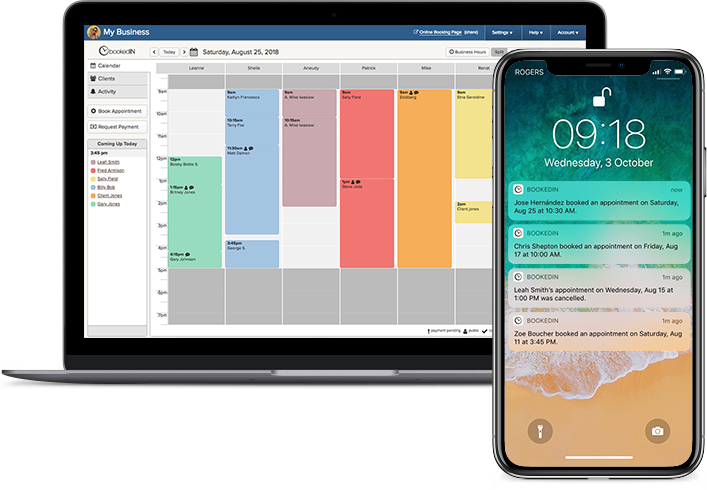
Tip: If you’re already using a scheduling software for your tattoo shop, build these options into your booking page so clients see real numbers before they book.
Either way, keep your pricing structure simple enough to explain in under 30 seconds. Use clear tiers, show examples, and make sure your team quotes the same way every time so clients don’t shop your own artists against each other.
Average Tattoo Removal Price Ranges in 2026
Start with these ranges and price from there based on local demand, your costs, your experience, and the equipment you’re using.
For a single extra-small piece like a finger symbol or tiny script, expect around $75–$150 per session.
A small tattoo up to about 3×3 inches usually lands in the $100–$250 range.
Medium pieces like forearm designs or small calves often cost $250–$500 per session.
Large tattoos such as half sleeves, big thighs, or upper back work can run $500–$800.
Full sleeves, full back, or multi-panel work can push $800–$1,500+ per session, especially in big cities.
Many shops also charge extra for color-heavy work or harder-to-remove ink brands.
Main Factors That Affect Tattoo Removal Cost
Most clients want a specific number, but the real answer is always that it depends on the tattoo they want removed.
The biggest cost driver is size, because more surface area means more time under the laser and more sessions.
Next is ink color and density. Black and dark blue usually clear faster and are cheaper. Bright greens, blues, and yellows often need more passes, which raises the total.
The age of the tattoo matters, too. Older, sun-faded pieces often lift quicker than fresh, saturated work.
Skin type and tattoo placement change things as well. Areas with better blood flow, like arms and legs, usually heal and clear faster than hands, feet, or ribs.
Finally, previous cover-ups or layered tattoos almost always cost more because you’re dealing with multiple ink depths and brands stacked together.
So, when you provide a quotation, point to these factors directly. Show clients why their bright, layered sleeve will cost more than a small black script, so the price feels logical instead of random.
How Many Sessions Should Clients Expect?
Session count is where pricing either clicks for clients or could cause some pushback, with the reason often being that some clients still think three sessions will erase anything.
In reality, a typical professional black tattoo might need 6–10 sessions. Color pieces, cover-ups, or heavy saturation can push into the 10–15+ session range. Amateur or stick-and-poke tattoos sometimes clear in 3–6 sessions, but not always.
You also need to factor in healing time. Most studios space sessions 6–8 weeks apart, sometimes longer if the skin reacts strongly. That means a full removal plan can stretch over a year or more.
Partial fading for a future cover-up usually needs fewer sessions, so it’s cheaper and easier to sell.
No matter, always quote a range, not a single number, and explain that the body’s response and aftercare will shift the final count.
Technology and How It Changes Cost
The laser you or your partner clinic uses will shape both results and pricing. If you refer out to a clinic, know what tech they use and their price tiers so your quotes and their invoices don’t clash.
Older Q-switched lasers are cheaper to run but usually need more sessions, so the total cost can end up similar or higher.
Newer picosecond lasers fire faster pulses that can break ink down more efficiently, especially for stubborn colors, but the machine cost is high, so per-session pricing often climbs.
Some studios charge a premium tier for pico sessions and a lower tier for standard laser work. You’ll also see more combination approaches: laser plus saline lightening, fractional lasers for scarring, or specialized settings for cosmetic ink. Each add-on can bump the price.
When you explain this to clients, focus on results and total journey cost, not just the sticker price of one session.
Location, Experience, and Studio Type
Where you work and how you position your studio will change what clients expect to pay.
A high-rent downtown shop or medical spa will usually need to charge more than a small suburban studio (even with similar equipment), given their higher rent and utility costs.
Artists with strong portfolios, healed results, and visible before-and-after photos can justify higher pricing because clients trust the outcome.
If you’re partnering with a dermatologist or medical clinic, their overhead and insurance often push prices up, but some clients feel safer paying that premium. On the other side, mobile operators or low-overhead studios might undercut the market, which can drag expectations down in your area.
Decide if you want to compete on price or on experience, results, and convenience, then set your removal rates to match that position.
Packages, Deposits, and Payment Options
Tattoo removal is a long game, so your payment structure needs to protect your time without scaring people off.
Many studios now offer session bundles like 3, 6, or 10-session packages with a small discount to lock in commitment.
Others keep per-session pricing but require a non-refundable deposit for each booking to cut down on no-shows.
Some shops add payment plans for large projects, especially sleeves and backs, using monthly auto-pay.
Note: If you use Bookedin, you can collect deposits right on your booking page, sync them to your calendar, and send automatic reminders so clients actually show up.
Consultations and Quoting Without Losing Time
Consultations can eat your day if you let them. Nowadays, more studios are moving to structured consults with clear steps.
Start with photos or an in-person look, then run through a simple checklist: size, colors, age, placement, scarring, and whether they want full removal or just fading for a cover-up. Use that to give a price range and session range, not a promise.
Many artists now charge a small consultation fee that rolls into the first session to filter out time-wasters.
Note: With Bookedin, you can set a specific “Tattoo Removal Consult” service, add a short intake form, and let clients upload photos before they arrive. That way, you walk into the consult already knowing the basics, and you can keep the whole thing under 15 minutes.
Aftercare, Healing, and Hidden Costs
Clients usually focus on the laser price and forget everything that comes after. You should also factor aftercare costs into the conversation so they don’t blame you later.
They’ll likely need non-stick bandages, gentle cleansers, and maybe specific ointments or creams. If you sell an aftercare kit, that’s an extra but honest line item.
Time off work can be a hidden cost too, especially for large areas or clients in physical jobs. Some may need to avoid sun, pools, or certain activities for a while.
If blistering, hyperpigmentation, or scarring risk is higher due to skin type or placement, explain that clearly.
When clients understand the full picture, they’re less likely to complain about the number of sessions or the total bill.
FAQ About Tattoo Removal Costs
How much does it cost to remove a small tattoo?
For a small tattoo, most studios will charge around $100–$250 per session. Total cost depends on how many sessions you need, which is usually 3–8 for a simple black piece and more for color. Always ask for a session range and total estimate during your consult.
Is tattoo removal cheaper than getting the tattoo?
Usually, no. Removal often costs more than the original tattoo because it takes multiple sessions over many months.
A $200 tattoo might cost $600–$2,000+ to remove, depending on size, color, and how your skin responds. Fading for a cover-up is often cheaper than full removal.
Does insurance ever cover tattoo removal?
Most insurance plans in the US treat tattoo removal as cosmetic and do not cover it.
The rare exceptions are medical cases, like removing certain types of traumatic or medically necessary markings. For standard body art, clients should expect to pay out of pocket.
Is it cheaper to fade a tattoo for a cover-up instead of full removal?
Yes. Fading for a cover-up usually needs fewer sessions, so the total cost is lower.
Many artists recommend 2–6 sessions just to lighten dark areas enough for a new design. This can save money and time compared to chasing a full, complete removal.
Can I get a precise total cost before I start?
No tattoo studio can guarantee an exact total because every body heals differently. A good artist or technician will give you a realistic range for sessions and cost, then adjust as they see how your skin and ink respond. If someone promises a perfect number, be cautious.