Tattoo Removal Cost in 2026: What To Expect by Size, Color & Sessions
Thinking about getting a tattoo removed but have no idea what it’ll cost? You’re not alone, and the honest answer is that it depends on a few things: the ink, your skin, and how many sessions it’ll take to clear.
This guide breaks down what tattoo removal actually costs in 2026, what affects the price, and how many sessions you can realistically expect, so you walk into your first consultation knowing what’s fair.
Key Notes
- Tattoo removal costs vary widely, but most studios charge clients per session, not per tattoo.
- Size, color, age, and skin type are the biggest price drivers for laser removal.
- Clear pricing tiers and session estimates reduce arguments and no-shows.
- Common ranges: $100–$250 small, $250–$500 medium, $500–$1,000+ large
Tattoo Removal Cost: A Quick Price Breakdown
Use the table below as your starting point for what tattoo removal costs by size. In later sections, we’ll get into what affects these numbers and how many sessions you can realistically expect.
| Tattoo size | Example | Cost per session | Estimated number of sessions |
|---|---|---|---|
| Extra small | A finger symbol or tiny bit of script | $75–$150 | 3–8 |
| Small | Up to about 3×3 inches | $100–$250 | 6–10 |
| Medium | A forearm design or small calf piece | $250–$500 | 6–10 |
| Large | A half sleeve, big thigh, or upper-back piece | $500–$800 | 10–15+ |
| Extra large | A full sleeve, full back, or multi-panel work | $800–$1,500+ | 10–15+ |
How Tattoo Removal Pricing Works
Tattoo removal is almost always priced per session, not as one flat fee for the whole tattoo. That’s because no one can erase a tattoo in a single visit, so you’re really paying for a series of appointments spread out over months.
For most studios, a small black tattoo might run $100–$250 per session, while medium-sized pieces land around $250–$500, and large or full-color work can hit $500–$1,000+ per visit.
Many studios use a simple size chart, a surcharge for color, and a minimum session count to keep their pricing clear.
Some also offer flat-rate packages, a set number of sessions bundled together at a small discount, which can save you money if you’re committed to full removal.
When you’re comparing studios, look for one that can explain its pricing in plain terms and quote you the same way every visit. Pricing that’s vague or changes session to session is a red flag.
Average Tattoo Removal Price Ranges in 2026
Start with these ranges and price from there based on local demand, your costs, your experience, and the equipment you’re using.
For a single extra-small piece like a finger symbol or tiny script, expect around $75–$150 per session.
A small tattoo up to about 3×3 inches usually lands in the $100–$250 range.
Medium pieces like forearm designs or small calves often cost $250–$500 per session.
Large tattoos such as half sleeves, big thighs, or upper back work can run $500–$800.
Full sleeves, full back, or multi-panel work can push $800–$1,500+ per session, especially in big cities.
Many shops also charge extra for color-heavy work or harder-to-remove ink brands.
Main Factors That Affect Tattoo Removal Cost
You probably want one clear number, but the real answer is always that it depends on the tattoo you’re removing. Here’s what shapes the price most:
- Size: This is the biggest cost driver. More surface area means more time under the laser and more sessions overall, which adds up fast.
- Ink color and density: Black and dark blue usually clear faster and cost less, while bright greens, blues, and yellows often need more passes to break down, pushing the total up.
- Age of the tattoo: Older, sun-faded pieces tend to lift quicker than fresh, heavily saturated work, so they can take fewer sessions.
- Skin type and placement: Areas with better blood flow, like your arms and legs, usually heal and clear faster than spots like the hands, feet, or ribs.
- Previous cover-ups or layered tattoos: These almost always cost more, since the technician is working through multiple ink depths and brands stacked on top of each other.
When you get a quote, ask the studio to walk you through these factors. A good technician can show you why a bright, layered sleeve costs more than a small black script, so the price feels logical instead of pulled out of thin air.
How Many Sessions Should You Expect?
Session count is where the cost really adds up, and it’s where a lot of people are caught off guard, since some still assume three sessions will erase anything.
In reality, a typical professional black tattoo might need 6–10 sessions. Color pieces, cover-ups, or heavy saturation can push into the 10–15+ session range. Amateur or stick-and-poke tattoos sometimes clear in 3–6 sessions, but not always.
You also have to factor in healing time. Most studios space sessions 6–8 weeks apart, sometimes longer if your skin reacts strongly. That means a full removal can stretch over a year or more.
If you’re only fading a tattoo for a future cover-up, you’ll usually need fewer sessions, which makes it cheaper and faster than full removal.
Overall, expect a range, not a single number. Your body’s response and how well you follow aftercare will shift the final count.
Technology and How It Changes Cost
The type of laser a studio uses affects both your results and your price, so it’s worth asking about.
Older Q-switched lasers are cheaper for studios to run, but they often need more sessions to do the job, so your total cost can end up the same or even higher.
Newer picosecond (or “pico”) lasers break down ink faster and tend to work better on stubborn colors. The machines are expensive, though, so studios usually charge more per session for them.
Some studios offer a higher-priced tier for pico sessions and a lower one for standard laser work.
You might also come across combination approaches, like laser plus saline lightening or special settings for scarring or cosmetic ink. Each add-on can bump up the price.
When you’re weighing your options, focus on the total cost to fully remove the tattoo, not just the price of a single session. A pricier laser that needs fewer visits can work out cheaper in the end.
Location, Experience, and Studio Type
Where a studio is located and how it positions itself will change what you pay.
A downtown shop or medical spa with high rent usually charges more than a smaller suburban studio, even when they’re using similar equipment.
Technicians with strong portfolios, healed results, and visible before-and-after photos often charge more, but you’re paying for the confidence that they’ll get the result you want.
If a studio works alongside a dermatologist or medical clinic, prices tend to be higher because of their overhead and insurance, though some people feel safer paying that premium.
On the other end, mobile operators or low-overhead studios may charge less, but it’s worth asking about their equipment and experience before going with the cheapest option.
Decide what matters most to you, whether that’s price, results, or peace of mind, and choose a studio that fits.
Packages, Deposits, and Payment Options
Tattoo removal is a long game, so your payment structure needs to protect your time without scaring people off.
Many studios now offer session bundles like 3, 6, or 10-session packages with a small discount to lock in commitment.
Others keep per-session pricing but require a non-refundable deposit for each booking to cut down on no-shows.
Some shops add payment plans for large projects, especially sleeves and backs, using monthly auto-pay.
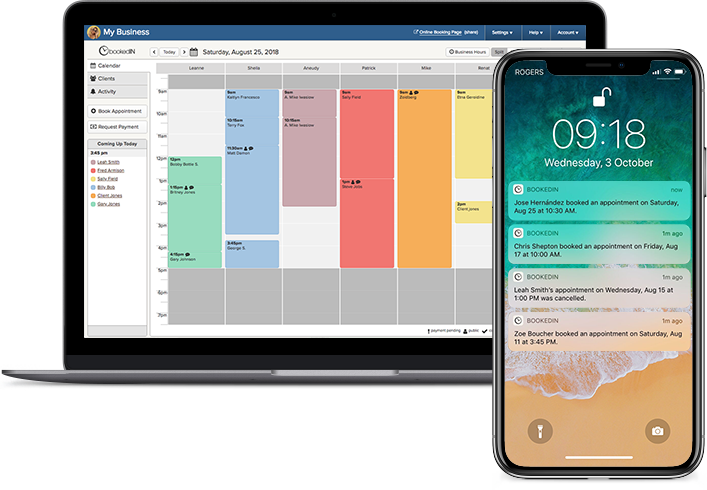
Note: If you use Bookedin, you can collect deposits right on your booking page, sync them to your calendar, and send automatic reminders so clients actually show up.
Consultations and Quoting Without Losing Time
Consultations can eat your day if you let them. Nowadays, more studios are moving to structured consults with clear steps.
Start with photos or an in-person look, then run through a simple checklist: size, colors, age, placement, scarring, and whether they want full removal or just fading for a cover-up. Use that to give a price range and session range, not a promise.
Many artists now charge a small consultation fee that rolls into the first session to filter out time-wasters.
Note: With Bookedin, you can set a specific “Tattoo Removal Consult” service, add a short intake form, and let clients upload photos before they arrive. That way, you walk into the consult already knowing the basics, and you can keep the whole thing under 15 minutes.
Questions To Ask Before Your First Tattoo Removal Session
Once you’ve found a studio you’re considering, a few good questions will tell you a lot about whether they’re the right fit, and help you avoid surprises on cost or results. Here’s what to ask before you commit:
- “How many sessions do you think I’ll need?” You want a realistic range, not a promise of “just two or three.” A technician who quotes an exact number with total certainty is overselling.
- “What’s your price per session, and do you offer packages?” Ask whether bundling sessions saves money, and get the per-session price in writing so you can compare studios fairly.
- “What kind of laser do you use?” Newer picosecond lasers often need fewer sessions on tough colors. It’s fine to ask what they have and why.
- “Have you removed ink like mine before?” Color, cover-ups, and certain skin tones are trickier. Ask to see healed before-and-after photos of similar work.
- “What does aftercare involve, and is it included?” Find out what you’ll need to buy, how long healing takes, and whether an aftercare kit comes with your sessions.
- “What are the risks for my skin type and placement?” A good technician will be upfront about the odds of blistering, scarring, or changes in skin color, rather than brushing the question off.
- “What’s your policy on missed or rescheduled sessions?” Since removal is spaced out over months, it helps to know about deposits, cancellation windows, and any fees before you book.
If a studio answers these clearly and without dodging, that’s usually a good sign you’re in capable hands.
Note: Looking for tattoo removal studios near you? Use our studio finder to see shops that offer online booking — so you can schedule a consultation without the phone tag.
Aftercare, Healing, and Hidden Costs
It’s easy to focus on the laser price and forget about everything that comes after, but aftercare adds to the real cost, so factor it in.
You’ll likely need non-stick bandages, gentle cleansers, and maybe specific ointments or creams. Some studios sell an aftercare kit, which is an extra cost but can be more convenient than sourcing everything yourself.
There’s also the hidden cost of time. For larger areas, you may need to take it easy for a few days, and you’ll likely have to avoid sun, pools, or certain activities while your skin heals.
If your skin type or the tattoo’s placement raises the risk of blistering, hyperpigmentation, or scarring, a good technician will tell you upfront. Knowing the full picture ahead of time means fewer surprises, both for your skin and your wallet.
On the Business Side of Tattoo Removal
If you run a tattoo shop or tattoo removal studio rather than booking one, the same clarity that helps clients helps you.
The studios that win trust (and avoid endless back-and-forth) are the ones that make pricing, session counts, and policies easy to find before a client ever messages them.
That’s where a booking tool earns its keep. With Bookedin, you can list your removal services with clear per-session pricing, collect deposits to protect your time, and let clients book consultations online.

Keep your business organized & booked solid
Everything you need to manage your schedule in one place.
- ✓ Take deposits
- ✓ Automatic reminders
- ✓ Calendar sync
- ✓ Mobile-friendly booking
FAQ About Tattoo Removal Costs
Does tattoo removal hurt?
Yes, most people describe laser tattoo removal as feeling like a rubber band snapping against the skin repeatedly. It is generally more painful than getting the tattoo. Numbing cream is commonly used and can significantly reduce discomfort.
How much does it cost to remove a small tattoo?
For a small tattoo, most studios will charge around $100–$250 per session. Total cost depends on how many sessions you need, which is usually 3–8 for a simple black piece and more for color. Always ask for a session range and total estimate during your consult.
How much does tattoo removal cost per session?
Most studios charge $75–$1,500+ per session depending on tattoo size, colors, and location. Small black tattoos typically run $75–$250 per session. Large or colorful pieces can cost $500–$1,500+. Most people need 6–12 sessions for full removal.
How many sessions does tattoo removal take?
A typical black professional tattoo needs 6–10 sessions. Color tattoos, cover-ups, or heavily saturated work can require 10–15+ sessions. Sessions are spaced 6–8 weeks apart to allow healing, so full removal often takes 1–2 years.
Is tattoo removal cheaper than getting the tattoo?
Usually, no. Removal often costs more than the original tattoo because it takes multiple sessions over many months.
A $200 tattoo might cost $600–$2,000+ to remove, depending on size, color, and how your skin responds. Fading for a cover-up is often cheaper than full removal.
Does insurance ever cover tattoo removal?
Most insurance plans in the US treat tattoo removal as cosmetic and do not cover it.
The rare exceptions are medical cases, like removing certain types of traumatic or medically necessary markings. For standard body art, clients should expect to pay out of pocket.
Is it cheaper to fade a tattoo for a cover-up instead of full removal?
Yes, by a lot. Fading for a cover-up typically requires 3–5 sessions instead of 6–12+, cutting total cost by 50–60%. If you plan to cover the tattoo with a new design, fading is usually the more cost-effective and faster path.
Can I get a precise total cost before I start?
No tattoo studio can guarantee an exact total because every body heals differently. A good artist or technician will give you a realistic range for sessions and cost, then adjust as they see how your skin and ink respond. If someone promises a perfect number, be cautious.
Does insurance cover tattoo removal?
In almost all cases, no. Tattoo removal is considered a cosmetic procedure and is excluded from standard health insurance. Some studios offer payment plans or session bundles with a discount to make the total cost more manageable.
Can I get an exact total cost before starting a tattoo removal?
Not precisely. Studios can only give a range because the number of sessions needed depends on how your skin and the ink respond over time.
A reputable studio will give you an honest session-count range after an in-person consultation, not a guaranteed fixed price.
About the Author

The Bookedin Team is made up of writers, marketers, and people who genuinely understand the day-to-day of running a service business. Our articles cover everything from scheduling and client management to marketing and business growth — because running a service business is no small feat.